Teaching Philosophy
The world is a connected and fraught place, and while no single discipline is sufficient to address our current, intractable challenges, history plays a critical role. I am driven by the belief that mindfulness of the past adds nuance and empathy to our lives in the present. History matters, because it helps us understand how we got here, it reminds us that things have not always been the way they are now, and it suggests that things can be different in the future. Historical thinking matters for students, as they learn parts of history they have not encountered before and wrestle with the implications of this history in their lives and world.
Given this, I emphasize three things in my teaching:
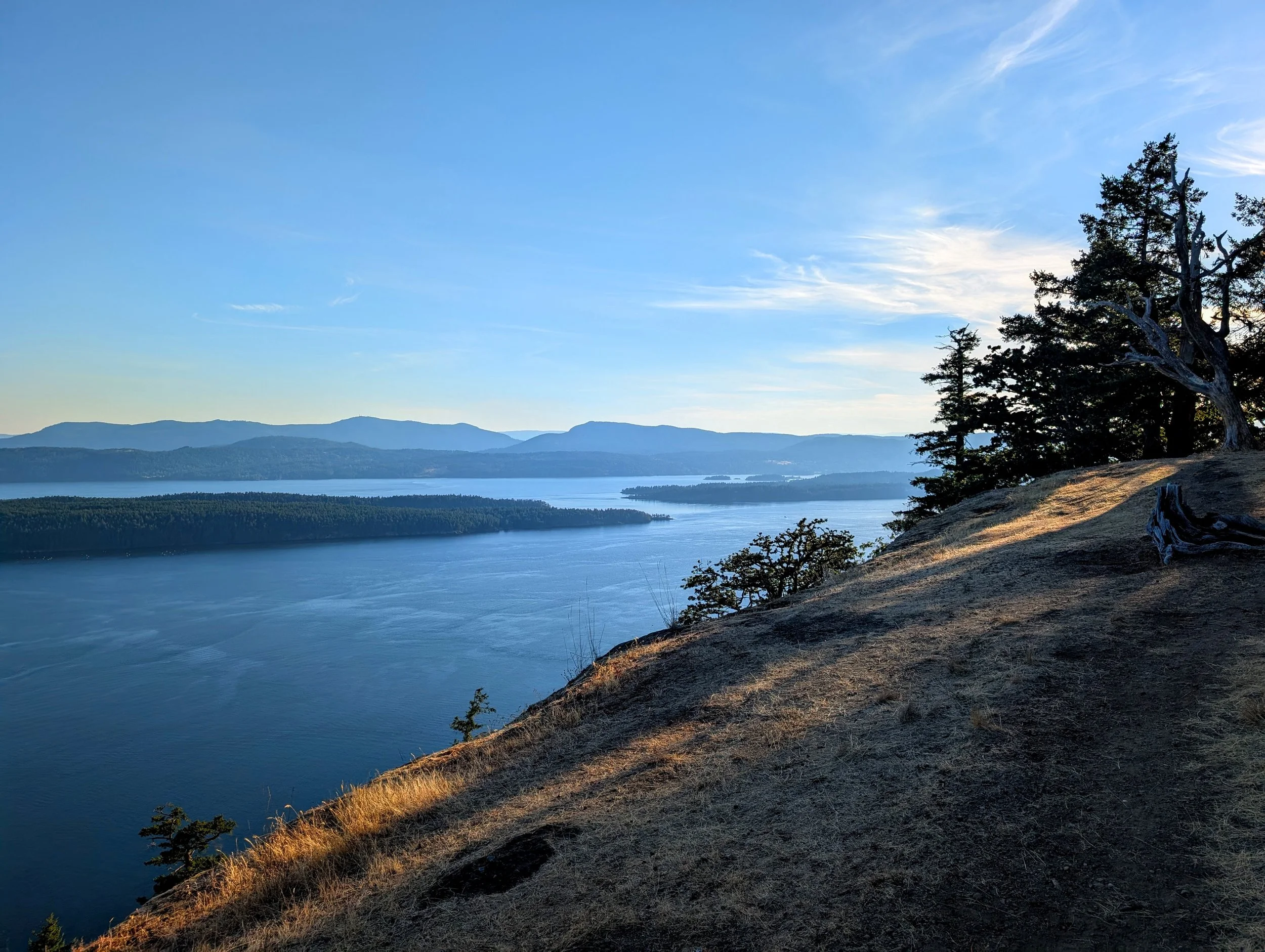
First, I facilitate place-based learning, which communicates to students: Pay attention—where you are matters, it has a history, it was not inevitable that it turned out this way, and you are interconnected with your place. This approach encourages students to ask questions about global, regional, and local processes; to think of their work, play, and lives in the context of their watershed, settler colonialism, and globalized racial capitalism; and to consider the ways they are participants in their environment, not separate from it. My emphasis on place-based learning links to my commitments as an environmental historian, predicated on the belief that our lives are always emplaced and imbricated.
Second, I focus on guiding students to be astute interpreters of sources. In our AI & algorithm shaped online landscape, teaching students how to critically query and analyze sources (whether a seventeenth-century map or yesterday’s headline) is imperative. I provide students with tools, and then let them learn through doing their own analyses of sources. To mentor students in this, I consistently expose them to primary sources, provide important context, and invite interpretation.
Third, I help catalyze students toward becoming people who think and communicate incisively and creatively. It is a vital life skill to think and communicate well, by which I mean clearly, complexly, and compellingly. Such skills must be cultivated and practiced. I make time for this cultivation in my courses because participating in a robust, pluralistic society requires people who are able to engage their imaginations alongside of their intellects, and who then can communicate those ideas to others in winsome ways.